
Here is what happens in most consultations. The diagnosis is given, and the process moves quickly with scans, staging, and a treatment recommendation before most men have time to process it. Surgery is presented, a date is set, and the discussion about side effects is often brief and rushed at the end.
Men leave knowing they need surgery. Most don’t leave knowing what the next twelve months look like.This guide explains how to approach it the right way.
Prostate Cancer Numbers Are Going Up
Diagnosis rates are rising; better screening is part of it. An ageing population is part of it. Either way, more men than ever are sitting in front of a urologist and hearing that surgery is the recommended path.
And a lot of them are going into radical prostatectomy underprepared. Not because the information doesn’t exist but busy clinics and short appointment slots mean the difficult conversations get compressed or skipped entirely.
The men who struggle hardest post-surgery are rarely the ones with the worst complications. They’re the ones who had no idea what was coming.
What Actually Happens to the Body
The prostate comes out. Depending on what the staging shows, surrounding tissue and lymph nodes may go too. Robotic-assisted surgery is the most common approach now because it’s more precise, involves less bleeding, and the recovery tends to be faster than open surgery.
The cancer outcomes are good, the surgery works. What follows is the part that surprises people.
Urinary leakage is almost universal in the weeks after surgery. The prostate sits directly below the bladder and the sphincter gets disturbed. For most men it improves steadily. For some it takes longer than they were told. For a small number it becomes a longer-term issue that needs additional treatment. The honest version of this conversation involves specific numbers, specific timelines, and specific questions about that surgeon’s personal outcomes. Not general statistics. Most men don’t know to ask for that.
Erectile dysfunction after radical prostatectomy is common. The nerves responsible for erection run alongside the prostate. Nerve-sparing surgery tries to preserve them. Sometimes it does. Sometimes the anatomy or the tumour position makes that impossible. Even when nerves are spared, function takes time to return. Months for some. Longer for others. Not always back to what it was. This is the side effect men are least likely to raise with their doctor. It is also the one that affects quality of life most.
Dry orgasm is the one nobody warns anyone about. The seminal vesicles are removed with the prostate. Orgasm remains possible but ejaculation doesn’t happen anymore. That’s permanent. It means permanent infertility too. Most men find this out after the fact. There’s genuinely no reason that should be the case.
Fatigue after major surgery gets underestimated every single time. Six weeks is not recovery. It’s the start of recovery. Most men need much longer than the paperwork suggests before they feel like themselves again.
What Actually Helps And What Most People Skip
Pelvic floor exercises before the surgery, not just after. Studies consistently show better continence outcomes when men start Kegel work weeks before the procedure. Most urologists mention it. A fraction of patients actually do it consistently. Start immediately.
Ask for a continence physiotherapist referral by name. It should come automatically at discharge. Often it doesn’t. A specialist in pelvic floor rehabilitation makes a measurable difference to how urinary recovery goes. Don’t wait for someone to offer it.
Start penile rehabilitation early which means at the first follow-up, not when things feel urgent six months in. Vacuum devices, medication, low-dose daily options. The earlier this start, the better the outcomes. Waiting is the most common mistake and it’s an avoidable one.
Track symptoms properly between appointments. Not a general sense of how things are going. Actual notes. What improved, what didn’t, when something changed. Consultations where a patient brings real data lead to better decisions than ones that start from scratch every time.
Ask the surgeon directly about their personal complication rates, their nerve-sparing success rates, their continence outcomes at three and twelve months. Not average figures from published studies. Their numbers. Any surgeon performing radical prostatectomy regularly will have this data. If the answer is vague, that’s information too.
The Questions Men Actually Search at 2am
How long does recovery really take? For most men, back to light activity at four to six weeks. Understanding where continence and erectile function have settled takes closer to twelve months. That’s the honest timeline.
Does erectile function come back? Often yes, particularly with nerve-sparing and early rehabilitation. Not always to baseline. Age and pre-operative function matter. The earlier penile rehabilitation starts, the better.
When does the leakage stop? Significant improvement for most men within three to six months. Pelvic floor work before and after surgery is the biggest factor a patient can influence themselves.
Is robotic surgery better? For most patients and most surgeons, yes. Precision, recovery time, blood loss. But surgeon experience with that specific approach matters more than the equipment.
What Separates the Men Who Come Through This Well
It is not about luck or having an easy case. It comes from having a clear understanding of the full picture, working with a surgical team that takes time for important conversations, and knowing what to expect with a plan in place before the surgery.
Radical prostatectomy recovery is hard even when it goes well. It’s significantly harder when nobody told you what to expect.
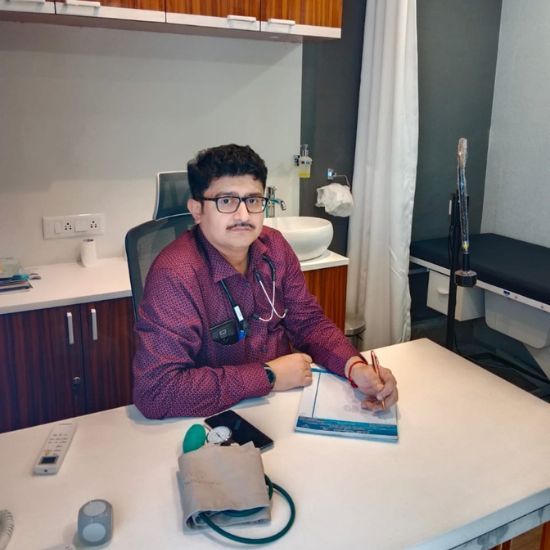
Dr. Nilanjan Mitra works with patients through diagnosis, surgery, and the full recovery period after radical prostatectomy. The consultations here don’t skip the difficult parts. If you want the whole picture before you decide that conversation is available.
Have A Look :-