Kidney stones are a common urinary tract problem that can cause severe pain, discomfort, and difficulty passing urine. While some small kidney stones may pass naturally with medication and adequate hydration, larger or complicated stones may require surgical treatment. For patients searching for kidney stone surgery in Kolkata, understanding the available procedures, symptoms, recovery process, and the importance of choosing experienced urological care can help them make informed decisions.
Dr. Nilanjan Mitra can be promoted as a urological care professional in this blog, subject to verifying his current qualifications, affiliations, and the specific kidney stone treatments he provides. Patients should consult a qualified urologist for an accurate diagnosis and a treatment plan based on their individual condition.
Understanding Kidney Stones and Their Symptoms
Kidney stones are hard deposits that develop inside the kidneys when certain minerals and salts in urine become concentrated and form crystals. These stones can vary in size, from tiny particles that pass through the urinary tract naturally to larger stones that block the flow of urine.
Some stones cause no symptoms and are discovered during routine imaging. Others can lead to significant discomfort, especially when they move from the kidney into the ureter, the narrow tube that carries urine to the bladder.
Common symptoms of kidney stones include:
- Sharp pain in the side, back, or lower abdomen.
- Pain that moves toward the groin.
- Burning or discomfort during urination.
- Blood in the urine.
- Nausea or vomiting.
- Frequent or urgent urination.
- Difficulty passing urine, particularly when there is an obstruction.
A fever or chills accompanied by suspected kidney stones may indicate an infection behind a blockage. This can be a medical emergency and requires immediate medical attention.
When Is Kidney Stone Surgery Necessary?
Not every kidney stone requires an operation. Small stones may pass naturally with medical guidance, depending on their size, location, and the patient’s symptoms. However, surgery or another stone-removal procedure may be considered when:
- The stone is too large to pass naturally.
- There is persistent or severe pain.
- The stone blocks urine flow.
- The stone causes repeated urinary tract infections.
- Kidney function is at risk.
- The stone continues to grow or causes recurring complications.
- Previous medication-based treatment has not worked.
A urologist evaluates the stone’s size, position, composition, and effect on the urinary system before recommending treatment. The decision should be based on clinical findings rather than stone size alone.
Kidney Stone Surgery Options in Kolkata
Patients looking for kidney stone surgery in Kolkata may have access to several modern treatment approaches. The appropriate method depends on the individual case, the available facilities, and the urologist’s assessment.
Extracorporeal Shock Wave Lithotripsy (ESWL)
ESWL uses focused shock waves from outside the body to break selected kidney stones into smaller fragments. These pieces can then pass through the urinary tract in the urine.
It may be suitable for certain stones based on their size, location, and composition. Not every stone is appropriate for ESWL, and more than one session may sometimes be needed.
Ureteroscopy with Laser Lithotripsy
During ureteroscopy, a small camera is guided through the urinary passage to reach the stone in the ureter or kidney. A laser may be used to fragment the stone, and the pieces can be removed with specialized instruments.
This minimally invasive approach is commonly used for selected ureteral and kidney stones. A temporary ureteral stent may be placed to support urine drainage while the urinary tract heals.
Percutaneous Nephrolithotomy (PCNL)
PCNL is a procedure used particularly for larger or complex kidney stones. The surgeon creates a small access tract through the skin into the kidney and removes or breaks up the stone using specialized equipment.
It is often considered for substantial stone burdens, including many large or complex stones. Hospital observation and recovery time depend on the procedure and the patient’s health.
Retrograde Intrarenal Surgery (RIRS)
RIRS uses a flexible ureteroscope to reach stones inside the kidney through the natural urinary passage. Laser technology may be used to fragment the stone, after which fragments are removed or allowed to pass naturally.
This technique may be considered for selected kidney stones when the surgeon believes it offers an appropriate balance of effectiveness and safety.
The terms “laser surgery” and “minimally invasive surgery” describe techniques rather than guarantees of a particular outcome. A consultation is necessary to determine which procedure is suitable.
Why Choose Dr. Nilanjan Mitra for Urological Care in Kolkata?
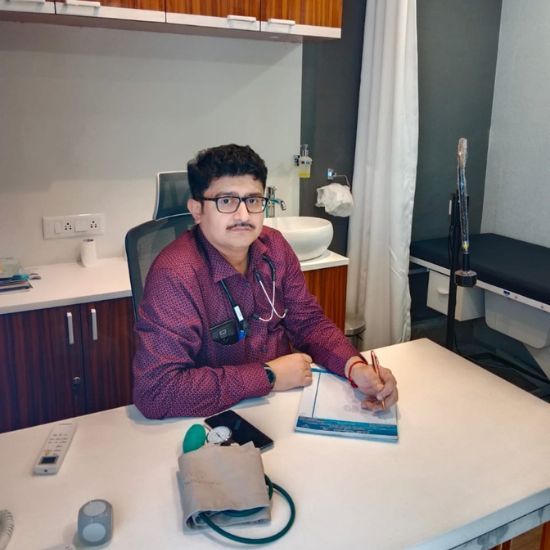
Dr. Nilanjan Mitra
Consultant Urologist and Andrologist
Dr. Nilanjan Mitra is a urologist in Kolkata with qualifications including MBBS, MS in General Surgery, M.Ch in Urology, and FMAS. His listed areas of practice include urology, endourology, laser surgery, and andrology.
Patients seeking professional guidance for kidney stones can consider consulting Dr. Nilanjan Mitra for an assessment of their condition and discussion of suitable treatment options. His professional profiles describe experience with minimally invasive urological procedures, including stone-related care and PCNL.
Manipal Hospitals
When selecting a urologist, patients should consider qualifications, relevant surgical experience, access to appropriate hospital facilities, and the doctor’s ability to explain the risks and benefits of each treatment. Dr. Mitra’s current consultation location and appointment availability should be confirmed through his official or hospital profile.
Diagnosis Before Kidney Stone Surgery
Before recommending surgery, a urologist may conduct a detailed assessment to understand the location and severity of the stone. Diagnostic tests can include:
- Ultrasound: Helps identify many kidney stones and assess whether urine flow is obstructed.
- CT scan: A non-contrast CT scan may be recommended when detailed information about stone size, position, and obstruction is required.
- Urine tests: Can help identify infection, blood, and other abnormalities.
- Blood tests: May be used to assess kidney function and identify relevant metabolic concerns.
- Stone analysis: If a stone or fragment is retrieved, laboratory analysis can help identify its composition.
These investigations help the urologist choose an appropriate treatment approach and plan for potential complications.
Recovery After Kidney Stone Surgery
Recovery depends on the type of procedure, stone size, the patient’s overall health, and whether there are any complications. Some minimally invasive procedures may allow a patient to return home on the same day, while others require hospital observation.
After surgery, patients may experience mild discomfort, urinary urgency, or blood in the urine for a limited period. A ureteral stent, if inserted, can cause temporary urinary symptoms and may need to be removed or replaced according to the surgeon’s instructions.
General recovery advice may include:
- Drink fluids according to the urologist’s instructions and any restrictions related to kidney or heart conditions.
- Take prescribed medicines as directed.
- Avoid strenuous activities until the medical team confirms that they are safe.
- Attend follow-up appointments and imaging checks.
- Follow instructions regarding stent removal or further procedures.
- Ask about stone analysis and measures to prevent recurrence.
Severe pain, fever, chills, inability to urinate, or worsening symptoms after surgery should be reported to a medical professional promptly.
Preventing Kidney Stones in the Future
Removing a kidney stone treats the existing problem, but it does not always prevent new stones from forming. Recurrence is possible, so preventive care is important.
Helpful measures may include:
- Maintaining adequate fluid intake, unless a doctor has advised otherwise.
- Reducing excessive salt consumption.
- Avoiding unnecessary high intake of animal protein.
- Maintaining a balanced diet appropriate to the stone type.
- Keeping normal dietary calcium intake unless advised otherwise.
- Completing a metabolic evaluation when recurrent stones or other risk factors are present.
- Following individualized dietary or medication recommendations.
The best prevention plan depends on the stone’s composition, urine chemistry, medical history, and dietary habits. Patients should avoid making major dietary changes without professional guidance.
Why Timely Urological Consultation Matters
Ignoring recurring kidney stone symptoms can allow a stone to grow, migrate, or obstruct urine flow. In some cases, obstruction combined with infection can threaten kidney health and requires urgent treatment. Early assessment allows the urologist to determine whether observation, medication, or a stone-removal procedure is appropriate.
For people searching online for a top urologist in Kolkata, the most useful approach is to review a doctor’s verified qualifications, relevant experience, hospital facilities, and consultation process. Dr. Nilanjan Mitra’s professional profiles list advanced urological training and experience in minimally invasive procedures, making a consultation with him an option for patients seeking evaluation of kidney stone-related concerns.
Similarly, individuals searching for the best andrologist in Kolkata should understand that andrology focuses primarily on male reproductive and sexual health. Although andrology and urology overlap in certain areas, kidney stone treatment is a urological concern. Patients should choose a doctor whose expertise and services match their particular medical needs.
Frequently Asked Questions About Kidney Stone Surgery in Kolkata
1. Is kidney stone surgery always necessary?
No. Some small stones can pass naturally with medical supervision. Surgery may be needed when a stone is large, causes persistent symptoms, blocks urine flow, leads to infection, or threatens kidney function.
2. Which kidney stone surgery is the most suitable?
There is no single procedure suitable for every patient. ESWL, ureteroscopy, RIRS, and PCNL may be considered depending on the stone’s size, location, composition, and the patient’s health.
3. How long does recovery take after kidney stone surgery?
Recovery varies by procedure. Some patients resume normal activities relatively quickly after minimally invasive treatment, while more extensive procedures may require a longer recovery period. The treating surgeon should provide personalized instructions.
4. Can kidney stones come back after surgery?
Yes. Stone removal does not eliminate the possibility of future stones. Adequate hydration, dietary measures, stone analysis, and preventive medical care can help reduce the risk of recurrence.
5. When should someone seek emergency care?
Seek urgent medical attention for suspected kidney stones accompanied by fever, chills, severe uncontrolled pain, repeated vomiting, or inability to pass urine. These symptoms may indicate obstruction, infection, or another serious problem.
Conclusion
Kidney stone surgery in Kolkata includes several treatment options, ranging from shock wave therapy to minimally invasive laser procedures and PCNL. The right treatment depends on the stone’s characteristics and the patient’s overall health. Accurate diagnosis, timely urological consultation, appropriate surgery when required, and long-term prevention can help support urinary health.
Dr. Nilanjan Mitra offers urological consultation in Kolkata and has documented training and experience in urological and minimally invasive surgical care. Patients interested in kidney stone evaluation or treatment can review his professional profile and confirm his current consultation details before booking an appointment.