
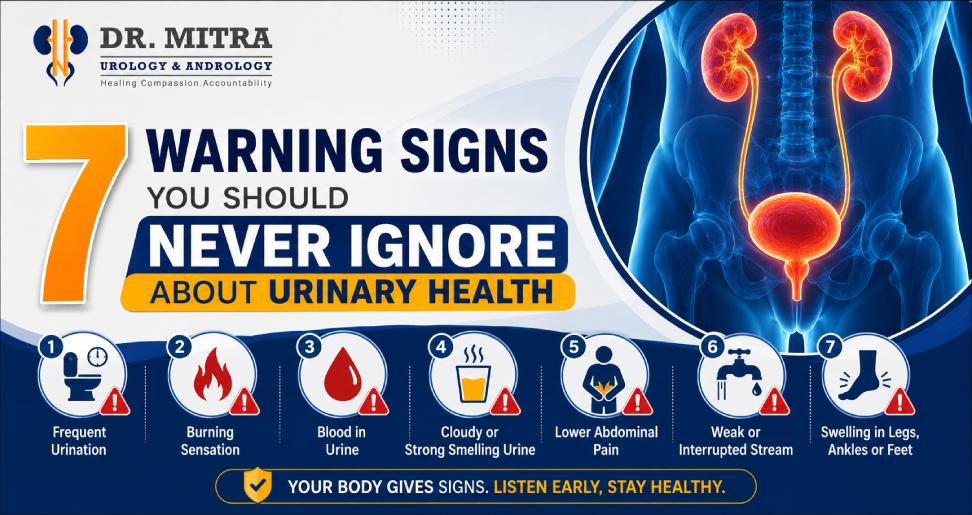
Your urinary system plays a vital role in removing waste and maintaining the body’s fluid balance. However, many people tend to overlook early urinary symptoms to watch, assuming they will disappear on their own. While some urinary issues may be temporary, others can indicate infections, kidney problems, bladder disorders, or more serious health conditions.
Recognizing the warning signs early can help prevent complications and ensure timely treatment. In this guide, we will discuss seven important urinary symptoms that should never be ignored, along with information about urinary tract infection causes, urinary tract infection symptoms, and available urinary tract infection treatments. We will also explain when it is time to seek expert medical advice from experienced specialists such as Dr. N Mitra.
Understanding Urinary Health
The urinary system includes the kidneys, ureters, bladder, and urethra. Together, these organs filter waste from the blood and eliminate it through urine. When any part of this system is affected by infection, inflammation, blockage, or disease, noticeable symptoms often develop.
Paying attention to changes in urination can help detect underlying conditions before they become severe.
1. Burning Sensation During Urination
A burning or painful sensation while urinating is one of the most common urinary symptoms. It often indicates irritation or infection within the urinary tract.
Possible Causes:
- Urinary tract infections (UTIs)
- Bladder infections
- Kidney infections
- Sexually transmitted infections
- Inflammation of the urethra
Among the various urinary tract infection symptoms, burning urination is one of the earliest and most recognizable signs. Ignoring this symptom can allow the infection to spread further into the urinary system.
2. Frequent Urge to Urinate
Needing to urinate more often than usual, especially if it disrupts daily activities or sleep, should not be ignored.
Potential Reasons:
- Urinary tract infections
- Overactive bladder
- Diabetes
- Enlarged prostate in men
- Bladder irritation
When frequent urination occurs alongside discomfort or urgency, it may indicate an infection requiring prompt evaluation and treatment.
3. Blood in the Urine
Blood in urine, medically known as hematuria, is a symptom that always deserves medical attention.
It May Be Caused By:
- Urinary tract infections
- Kidney stones
- Bladder stones
- Kidney disease
- Certain urinary tract cancers
Even if blood appears only once, it is important to consult a healthcare professional. Early diagnosis can help identify the underlying cause and prevent further complications.
4. Cloudy or Foul-Smelling Urine
Healthy urine is usually clear and has a mild odor. Significant changes in appearance or smell may signal an underlying problem.
Common Causes Include:
- Urinary tract infections
- Dehydration
- Kidney infections
- Certain dietary factors
Cloudy urine combined with pelvic discomfort, fever, or painful urination may point to a developing infection that requires medical assessment.
5. Lower Abdominal or Pelvic Pain
Pain or pressure in the lower abdomen, bladder area, or pelvis can indicate urinary tract problems.
Conditions Associated with Pelvic Pain:
- Bladder infections
- Interstitial cystitis
- Kidney stones
- Urinary retention
Persistent pain should never be ignored, especially if accompanied by changes in urination patterns. Seeking medical guidance early can help identify the exact cause and improve treatment outcomes.
6. Difficulty Starting or Maintaining Urination
Some people experience trouble initiating urination or notice a weak urine stream. This symptom can affect both men and women, although it is more common among older men.
Possible Causes:
- Enlarged prostate
- Urinary tract blockage
- Nerve-related disorders
- Bladder dysfunction
Delayed treatment can increase the risk of urinary retention and other complications. A comprehensive evaluation is often necessary to determine the underlying issue.
7. Fever and Back Pain Along with Urinary Symptoms
When urinary symptoms are accompanied by fever, chills, nausea, or pain in the lower back, the infection may have reached the kidneys.
Warning Signs of Kidney Infection:
- High fever
- Back or flank pain
- Frequent urination
- Burning urination
- Fatigue
Kidney infections require immediate medical attention and should never be managed without professional care.
Common Urinary Tract Infection Causes
Understanding urinary tract infection causes can help reduce the risk of developing infections.
Some common causes include:
- Bacterial entry into the urinary tract
- Poor hydration
- Holding urine for extended periods
- Improper hygiene practices
- Weakened immune system
- Urinary tract blockages
- Kidney stones
- Certain medical conditions such as diabetes
Women are generally more prone to UTIs due to anatomical factors, but men, children, and older adults can also develop urinary tract infections.
Recognizing Urinary Tract Infection Symptoms
Early recognition of urinary tract infection symptoms can help prevent complications.
Common symptoms include:
- Burning during urination
- Frequent urge to urinate
- Passing small amounts of urine
- Cloudy urine
- Strong-smelling urine
- Pelvic discomfort
- Blood in urine
- Fever in more advanced infections
If these symptoms persist for more than a day or two, medical consultation is recommended.
Available Urinary Tract Infection Treatments
Modern urinary tract infection treatments are highly effective when started early.
Treatment options may include:
Antibiotic Therapy
Most bacterial urinary tract infections respond well to prescribed antibiotics. The specific medication depends on the type and severity of the infection.
Increased Fluid Intake
Drinking adequate water helps flush bacteria from the urinary system and supports recovery.
Pain Management
Doctors may recommend medications to relieve discomfort and urinary burning.
Addressing Underlying Causes
If infections are caused by kidney stones, urinary obstruction, or other conditions, treating the root cause is essential for long-term relief.
Self-medication should be avoided, as improper treatment can lead to antibiotic resistance and recurring infections.
When Should You See a Specialist?
You should seek medical attention if you experience:
- Blood in urine
- Severe pain during urination
- Frequent recurring infections
- Fever with urinary symptoms
- Persistent urinary urgency
- Difficulty passing urine
- Back pain with urinary discomfort
Early diagnosis can prevent complications involving the bladder, kidneys, and overall urinary health.
Expert Care for Urinary Health
If you notice any of these urinary symptoms to watch, consulting an experienced specialist is crucial. Dr. N Mitra provides comprehensive evaluation and management of urinary health concerns, helping patients identify the root cause of symptoms and receive appropriate treatment.
Whether you are experiencing recurrent urinary tract infections, unexplained urinary discomfort, or changes in urination patterns, timely medical guidance can make a significant difference in protecting your long-term health.
Conclusion
Ignoring urinary symptoms can lead to serious complications affecting the bladder, kidneys, and overall well-being. The 7 warning signs you should never ignore about urinary health include burning urination, frequent urination, blood in urine, cloudy urine, pelvic pain, difficulty urinating, and fever with back pain.
Understanding urinary tract infection causes, recognizing urinary tract infection symptoms, and seeking appropriate urinary tract infection treatments can help prevent complications and improve recovery outcomes. If you experience any persistent urinary concerns, consulting a qualified specialist such as Dr. N Mitra is an important step toward maintaining a healthy urinary system and overall quality of life.