
Erectile dysfunction (ED) is more than an occasional inability to get or keep an erection—it can be an early indicator of underlying health concerns. While many people associate ED with aging, it can affect men in their 20s, 30s, and beyond. Factors such as cardiovascular disease, hormonal changes, stress, anxiety, and unhealthy lifestyle habits can all influence sexual performance.
Understanding the erectile dysfunction causes is essential because successful treatment depends on identifying the root problem rather than simply treating the symptoms. In many cases, ED is temporary and manageable with the right diagnosis and a personalized treatment plan.
This article explains the physical and psychological causes of erectile dysfunction, available treatment options, and answers the most common questions men have before consulting a specialist.
Understanding Erectile Dysfunction
An erection is the result of several body systems working together. The brain sends signals through the nerves, hormones regulate sexual desire, blood vessels increase blood flow to the penis, and muscles help maintain the erection.
If any part of this process is disrupted, erectile dysfunction can occur. Some men experience ED occasionally due to stress or fatigue, while others may have persistent symptoms that require medical evaluation.
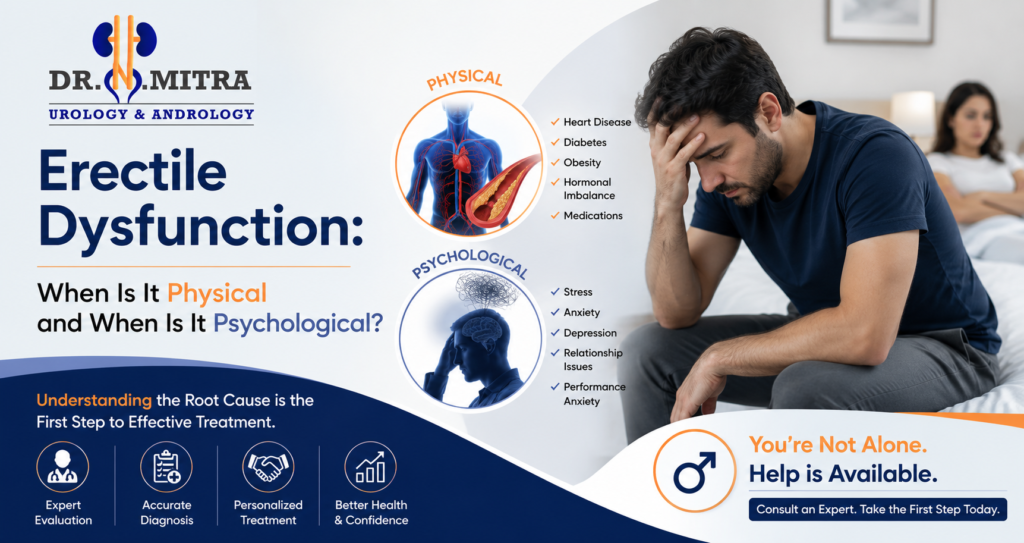
Physical Causes of Erectile Dysfunction
Physical conditions account for a large percentage of long-term erectile dysfunction cases. These causes usually develop gradually and may worsen if left untreated.
Reduced Blood Flow
Healthy blood circulation is necessary for achieving and maintaining an erection. Diseases that damage blood vessels can restrict blood flow and make erections less firm.
Common conditions include hypertension, high cholesterol, heart disease, and peripheral vascular disease.
Diabetes
High blood sugar levels can damage both nerves and blood vessels over time. As a result, diabetes is one of the leading medical conditions linked to erectile dysfunction.
Hormonal Changes
Low testosterone can reduce sexual desire and contribute to erection problems. Disorders involving the thyroid gland or pituitary gland may also interfere with normal hormone production.
Medication Side Effects
Certain medicines prescribed for high blood pressure, depression, anxiety, allergies, or prostate conditions may affect sexual function. Never stop medication without discussing alternatives with your doctor.
Lifestyle Habits
Daily habits play a significant role in men’s sexual health. Smoking damages blood vessels, excessive alcohol affects nerve function, obesity reduces testosterone levels, and physical inactivity increases the risk of chronic diseases associated with ED.
Psychological Causes of Erectile Dysfunction
Mental and emotional health can influence sexual performance just as much as physical health.
Stress from work, financial concerns, relationship difficulties, or major life events may interfere with sexual arousal. Anxiety—particularly performance anxiety—can create a cycle where fear of failure leads to repeated erection problems. Depression can reduce libido and affect brain chemicals involved in sexual response.
Unlike physical ED, psychological erectile dysfunction often appears suddenly and may occur only in specific situations or with a particular partner.
What Causes Erectile Dysfunction in Young Men?
A growing number of men under the age of 40 are seeking treatment for ED. The most common reasons are often related to lifestyle and mental health rather than aging.
Some of the major factors include:
- Chronic stress and anxiety
- Lack of quality sleep
- Smoking and recreational drug use
- Excessive alcohol intake
- Obesity and poor diet
- Diabetes and hormonal disorders
- Sedentary lifestyle
- Relationship problems
Although temporary episodes are common, persistent symptoms should always be assessed by a urologist or men’s health specialist.
How Doctors Diagnose Erectile Dysfunction?
Finding the exact cause is the most important step before starting treatment.
A doctor may recommend:
- A detailed medical and sexual history
- Physical examination
- Blood tests to assess blood sugar, cholesterol, and hormone levels
- Urine analysis when required
- Penile Doppler ultrasound to evaluate blood flow
- Psychological assessment if emotional factors are suspected
These investigations help distinguish between physical and psychological causes and guide the most appropriate treatment.
Erectile Dysfunction Causes and Treatment
There is no single treatment that works for every patient. The best erectile dysfunction causes and treatment approach depends on the underlying diagnosis.
Lifestyle Improvements
For many men, simple lifestyle changes can improve erectile function naturally. Maintaining a healthy weight, exercising regularly, quitting smoking, limiting alcohol intake, eating a balanced diet, and managing stress all support better blood circulation and hormone balance.
Medical Treatment
Several treatment for erectile dysfunction options are available, including prescription medications that improve blood flow, hormone replacement therapy for men with low testosterone, and treatment for underlying conditions such as diabetes or hypertension.
Psychological Support
When stress, anxiety, or depression contributes to ED, counselling or cognitive behavioural therapy (CBT) can be highly effective. In many cases, combining psychological support with medical treatment provides the best results.
Advanced Treatment Options
For men who do not respond to medications, specialists may recommend vacuum erection devices, penile injections, shockwave therapy in selected cases, or penile implant surgery for severe erectile dysfunction.
Can Erectile Dysfunction Be Prevented?
Although not every case can be prevented, adopting healthy habits significantly lowers the risk.
You can protect your sexual health by:
- Staying physically active
- Maintaining a healthy body weight
- Controlling diabetes and blood pressure
- Avoiding tobacco products
- Limiting alcohol consumption
- Managing stress effectively
- Getting regular health check-ups
Good cardiovascular health often translates into better sexual health.
FAQs:
Is erectile dysfunction always caused by stress?
No. Stress is one possible cause, but ED may also result from diabetes, hormonal imbalance, heart disease, nerve disorders, or medication side effects.
Is erectile dysfunction common in younger men?
Yes. Increasing stress levels, unhealthy lifestyles, obesity, and mental health concerns have made ED more common among younger adults.
Can erectile dysfunction be cured permanently?
Many men recover completely once the underlying cause is identified and treated. Others can successfully manage the condition with long-term medical care and healthy lifestyle changes.
Which specialist treats erectile dysfunction?
A urologist or andrologist is the most appropriate specialist for diagnosing and managing erectile dysfunction.
Conclusion
Identifying the erectile dysfunction causes is the key to successful treatment. Whether the problem is related to physical health, emotional well-being, or a combination of both, early diagnosis can prevent complications and improve quality of life. Modern treatment for erectile dysfunction includes lifestyle modification, medication, counselling, and advanced therapies tailored to each patient’s needs. If you are experiencing persistent symptoms or wondering what causes erectile dysfunction in young men, consult a qualified specialist without delay. Early intervention not only restores sexual function but also helps detect underlying health conditions before they become more serious
Read More: